Trial advocates do not need conversational chatbots that invent non-existent case citations. Here is what we learned engineering iCounsel: deploying real-time cause list monitoring, instant voice order dictation, and deterministic statutory retrieval across busy appellate benches.
1. The Realities of Daily Courtroom Practice
Most consumer AI demos assume a high-speed fiber connection and a leisurely conversational pace. In reality, a practicing litigation advocate stands in crowded appellate corridors with thirty listed items across five separate benches, juggling paper cause lists and urgent client calls.
Worse still, heritage courtroom masonry and underground chambers regularly act as Faraday cages, killing cellular signals completely. If a legal software platform requires an active cloud connection to open a brief or record an order, it is fundamentally useless at the exact second the judge calls the matter.
"A lawyer in court does not have the luxury of waiting for an AI thinking animation. Precision, zero latency, and absolute confidentiality are the only currency that matters."
2. Solving the Hallucination Hazard & Attorney-Client Privilege
Commercial LLMs frequently generate plausible-sounding legal precedents that have zero foundation in statutory reality. In a courtroom, citing a fabricated precedent is catastrophic.
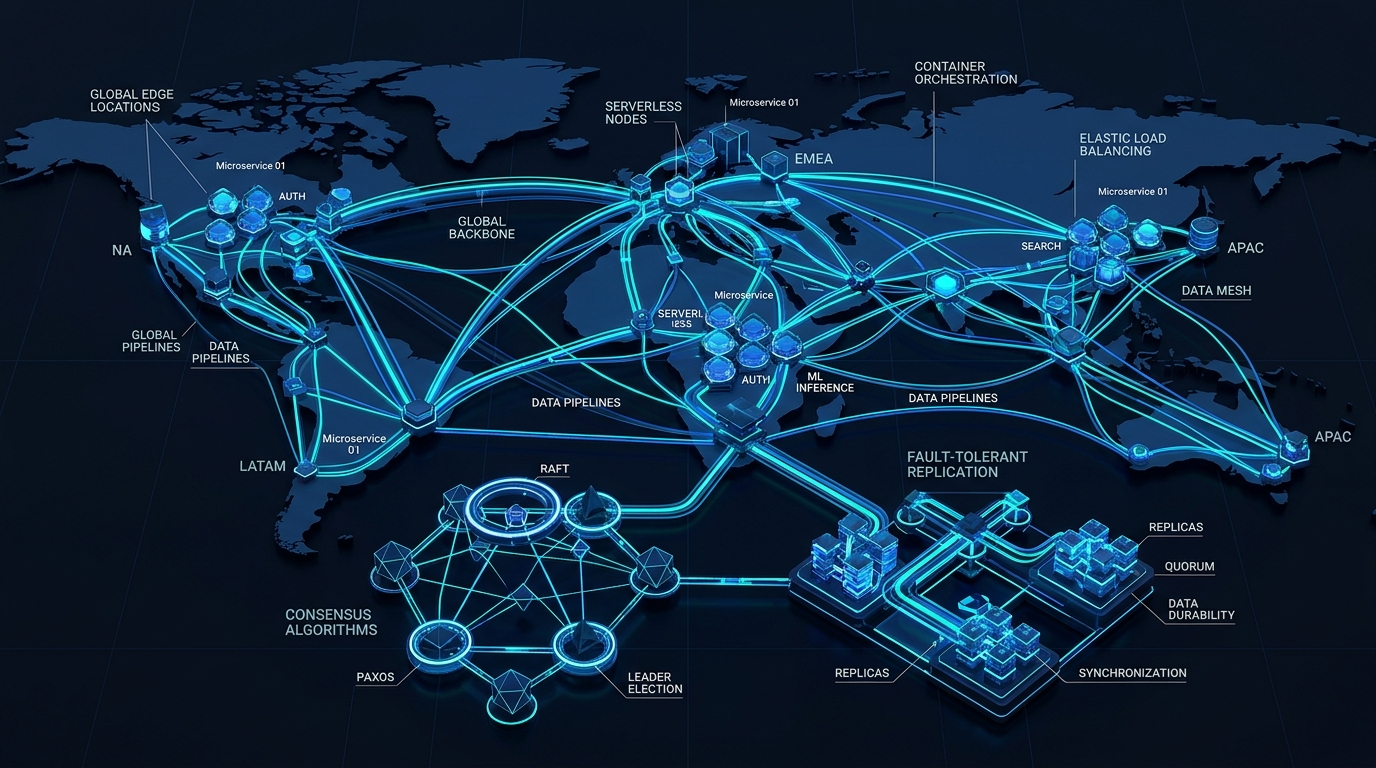
To overcome this, we architected a strictly bounded retrieval mesh for iCounsel. Queries are verified against indexed volumes of regional statutory reporters (DLR, BLD, BCR) and penal codes. If a precedent does not exist verbatim with its corresponding volume and page paragraph, the model is architecturally constrained to decline speculation rather than invent citations.
Crucially, attorney-client privilege demands that sensitive litigation strategies never leak into third-party foundation model training sets. All chamber notes and client rosters reside on encrypted local device storage using AES-GCM primitives, syncing exclusively to private chamber vaults.
3. Measurable Human Impact in Chambers
By connecting morning cause list scrapers with automated item escalation alerts, advocates no longer miss bench calls while running between courts. After the hearing, sub-second voice dictation converts verbal judge directives into structured case briefs, dispatching automated WhatsApp updates to clients before the advocate even leaves the courthouse.
The result is an operating system that respects how law is actually practiced—removing administrative drudgery so advocates can focus on legal advocacy.